
A summer road trip should begin with confidence in your car — especially its brakes. If you are preparing to travel from Miranda or the Sutherland Shire, these seven warning signs deserve attention before departure.
Squealing, squeaking or grinding noises
A high-pitched squeal can be caused by a brake pad wear indicator contacting the rotor. Occasional noise does not always mean the brakes are unsafe — dust, moisture and some pad materials can also create sounds — but persistent squealing should be checked.
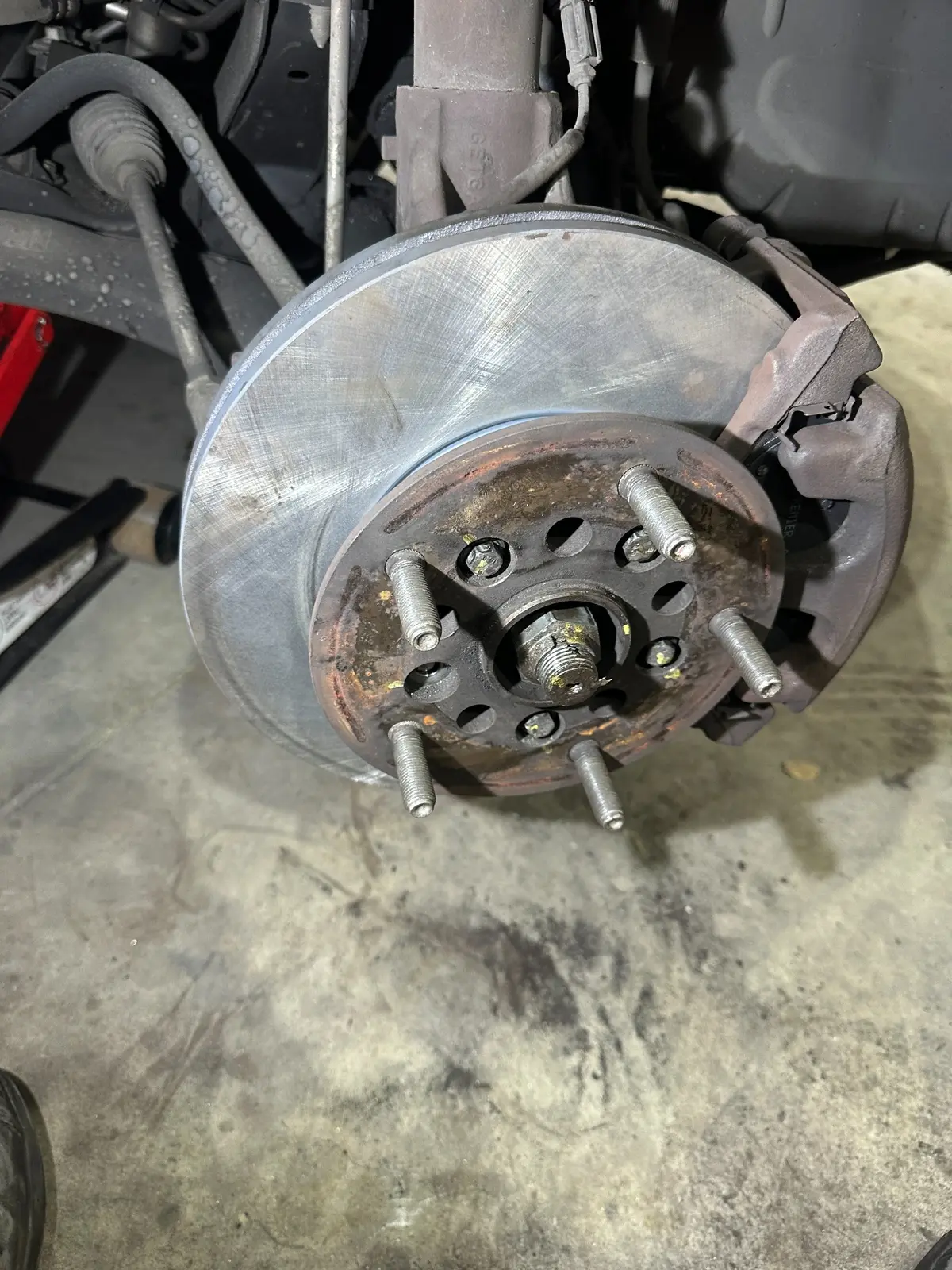
Grinding is more urgent. It may indicate that the brake pad friction material is severely worn and metal components are contacting each other. Continuing to drive could damage the rotors and increase the repair cost.
A proper inspection should assess pad thickness, rotor condition and the operation of related components.
The car takes longer to stop
If your usual pedal pressure no longer produces the same stopping response, arrange an inspection promptly. Reduced braking performance may result from worn pads, overheated or contaminated friction surfaces, ageing brake fluid, hydraulic problems or other faults.
Stopping distance is also affected by speed, tyres, vehicle load and road conditions. NSW guidance recommends leaving at least a three-second crash-avoidance space in good conditions and four or more seconds in poor conditions. A healthy braking system still needs adequate space to stop safely.
If stopping performance changes suddenly or feels unsafe, do not continue the journey. Pull over safely and arrange professional assistance.
The brake pedal feels soft, spongy or unusually low
The brake pedal should feel predictable. A soft or spongy pedal can point to air or moisture in the hydraulic system, a fluid leak, deteriorated hoses or a master-cylinder issue. A pedal that slowly sinks while steady pressure is applied also requires immediate attention.
Check for a brake warning light and visible fluid near the wheels or beneath the engine bay, but do not assume the vehicle is safe simply because no leak is visible. Hydraulic faults can be serious and need proper diagnosis.
The vehicle pulls to one side when braking
A car that pulls left or right under braking may have uneven pad wear, a sticking caliper, a hydraulic fault, contaminated friction material or even a tyre or suspension problem.
Pulling can make the vehicle harder to control during an emergency stop, particularly in wet weather or when carrying passengers and luggage. Because several systems can create a similar symptom, the correct next step is an inspection rather than replacing parts based on guesswork.
Vibration through the brake pedal or steering wheel
A pulsing pedal, steering-wheel shake or vibration during braking often suggests uneven rotor thickness or excessive rotor run-out. Worn suspension components, wheel and tyre problems or a sticking brake component can also contribute.
The speed at which the vibration appears and whether it is felt through the pedal, steering wheel or body of the vehicle can help with diagnosis. Mention these details when booking your inspection.
A brake or ABS warning light stays on
A warning light that remains illuminated after startup should not be ignored. The red brake warning light may relate to the parking brake, low brake fluid or a fault in the hydraulic braking system. An amber ABS light generally indicates a problem with the anti-lock braking system.
The vehicle may still appear to brake normally with an ABS fault, but anti-lock assistance may not operate when it is needed most. If a red brake warning light appears while driving, the pedal feels abnormal or braking performance changes, stop in a safe place and seek assistance.
Burning smell, smoke or excessive heat from a wheel
A sharp burning smell after braking, smoke near a wheel or one wheel that is much hotter than the others can indicate an overheating brake or sticking caliper. Driving with a brake that is dragging can rapidly damage pads, rotors, wheel bearings and tyres, and may reduce braking performance.
Do not touch the wheel or brake components; they may be extremely hot. Pull over safely, allow the vehicle to cool and arrange professional advice. If there is smoke or you are unsure whether the car is safe, do not continue driving.
Why a pre-trip brake inspection matters
A brake inspection is more than a quick look at the pads. Depending on the vehicle and symptoms, a technician may check:
NSW safety inspections include the braking system because it is a core roadworthiness item. However, a current registration or recent pink slip is not a guarantee that no wear has developed since the inspection.
Arrange a check early rather than the day before departure. This leaves time to source parts and complete any necessary repair without disrupting your plans. It is especially important if the vehicle will be heavily loaded, towing, travelling through hilly areas or has an uncertain service history.
BRAKE INSPECTIONS IN MIRANDA
Planning a holiday drive?
TF Performance Automotive provides professional brake inspections, servicing and repairs for customers in Miranda, Sutherland Shire and surrounding Sydney suburbs. We assess the problem first and explain what needs attention before any repair proceeds.
This article provides general information only. Brake symptoms can have multiple causes. If the vehicle feels unsafe, stop driving when it is safe to do so and arrange professional assistance.