
A few sensible checks before departure can reduce the risk of breakdowns, delays and avoidable repairs. If you are leaving from Miranda, Sutherland Shire or elsewhere in Sydney, use this checklist to prepare your car properly.
Check the tyres — including the spare
Inspect all four road tyres for low or uneven tread, cuts, bulges, cracking and embedded objects. Uneven wear on the inner or outer edges may point to an alignment, suspension or pressure issue that deserves attention before a long drive.
Set pressures when the tyres are cold, following the vehicle manufacturer’s tyre placard or owner’s manual. The recommended pressure may change when the car is heavily loaded or towing, so do not rely on the maximum figure printed on the tyre sidewall.
Confirm the spare is inflated and that the jack, wheel brace, locking-wheel-nut key and manufacturer-supplied repair equipment are present and usable.
Have the brakes checked if anything feels different
A fully loaded vehicle can place extra demand on the braking system, especially in hilly areas. Arrange an inspection if you notice squealing, scraping, grinding, a soft pedal, vibration, pulling to one side, reduced stopping performance or a brake or ABS warning light.
Book early rather than waiting until the day before departure. This leaves time to assess the system, source parts and complete any necessary repair without disrupting your trip.
Inspect engine oil and essential fluids
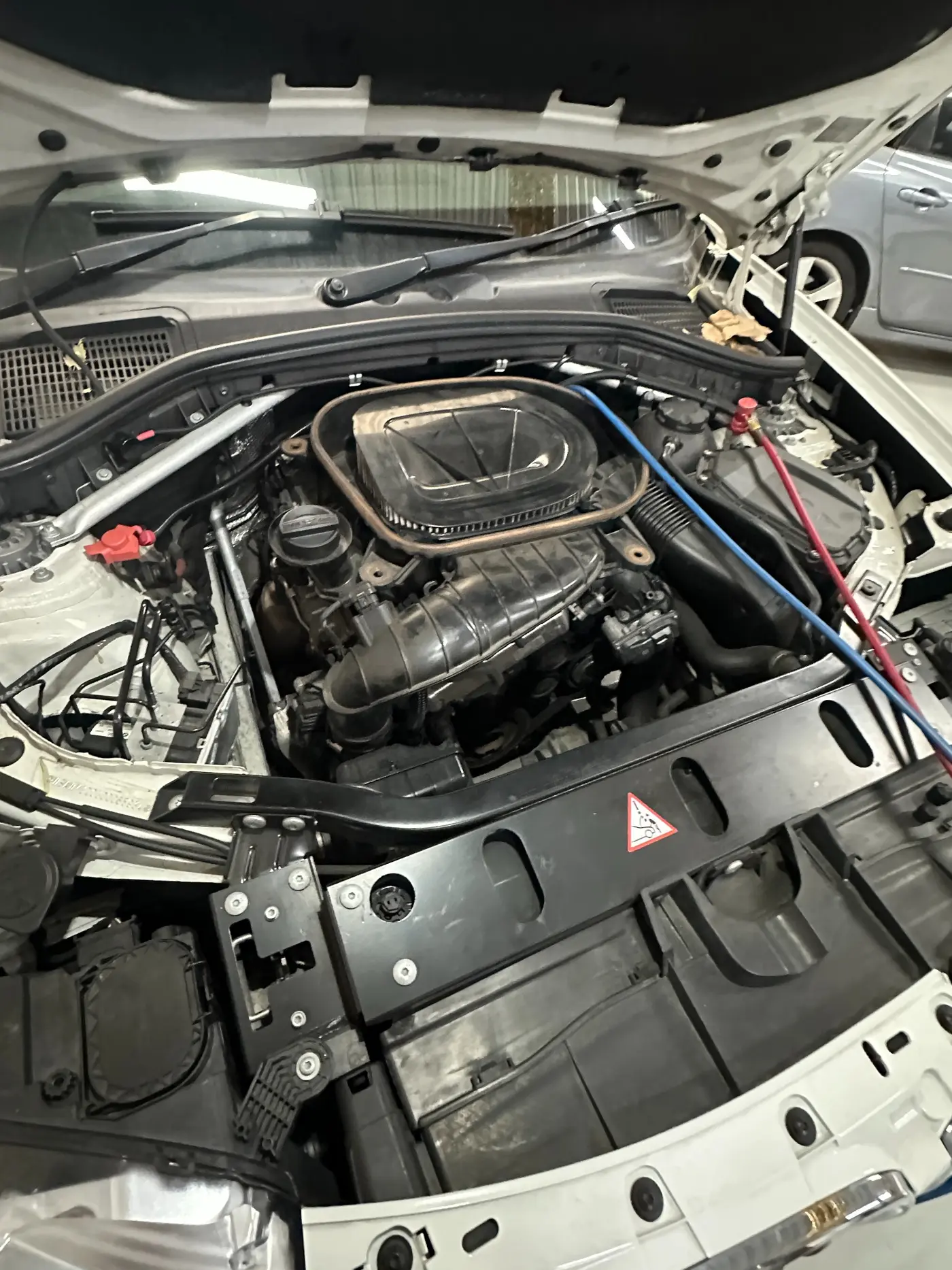
Check engine oil, coolant, brake fluid and windscreen-washer fluid using the correct procedure for your vehicle. Some cars use an electronic oil-level display; others require a dipstick check on level ground. Transmission and power-steering fluid may also be serviceable, depending on the model.
Look under the vehicle and around the engine bay for fresh leaks. Oil, coolant, brake fluid and fuel leaks should be investigated rather than simply topped up.
Never remove a coolant cap while the engine is hot. A pressurised system can release boiling coolant and cause serious injury.
Make sure the cooling system is ready for summer
The cooling system must control engine temperature during highway driving, long climbs, towing and slow holiday traffic with the air conditioning operating.
Coolant loss, coloured residue around hoses, a sweet smell, steam, cooling fans that do not operate or a rising temperature gauge all need attention. If an overheating warning appears while driving, stop safely and switch off the engine. Continuing to drive can cause severe engine damage.
Test the battery and charging system
Consider a battery test if the engine cranks slowly, the battery is several years old, you recently needed a jump-start or the battery warning light has appeared. Check that the battery is secure and that its terminals are clean and tight.
A proper battery test measures more than resting voltage and may identify declining starting capacity before the car leaves you stranded.
Check lights, wipers, washers and visibility
Confirm that the headlights, high beam, indicators, hazard lights, brake lights, tail lights, reverse lights and number-plate lights work. Inspect the wiper blades for splitting, smearing or skipping and fill the washer reservoir with a suitable product.
Clean the windscreen inside and out, together with mirrors, camera lenses and light housings. Clear visibility matters in rain, glare, dust and insect-heavy country driving.
Confirm the air conditioning works properly
Air conditioning improves comfort and helps demist the windscreen. If the air is warm, weak, noisy or inconsistent, the cause may be low refrigerant, a leak, poor condenser airflow, a compressor-control fault, a restricted cabin filter or a ventilation-door problem.
A regas is not the correct repair for every fault. Diagnosis should establish why the system is not cooling before refrigerant or parts are added.
Check whether a service is due
Review the service sticker, dashboard reminder and vehicle logbook. If maintenance is due during the trip — or already overdue — arrange it before leaving. Tell the workshop about towing, distance, road conditions and the expected load so the inspection can consider how the vehicle will be used.
Do not clear a warning light and assume the problem has disappeared. New noises, vibration, loss of power, leaks or persistent dashboard warnings should be diagnosed before a long journey.
- A warning light remains on after startup
- New fluid leaks beneath the vehicle
- Brake noise, vibration or reduced stopping performance
- Overheating or unexplained coolant loss
- Slow starting or recent jump-starts
- Uneven tyre wear, damage or pressure loss
Pack essential safety and breakdown items
A useful road-trip kit may include a first-aid kit, drinking water, torch, phone charger or power bank, reflective vest, tyre gauge, emergency contacts, medication and weather-appropriate clothing. For remote travel, plan additional water, food, communication and recovery equipment for the route.
Confirm registration and insurance are current, save your roadside-assistance details and download maps for areas with poor mobile coverage.
Secure passengers, luggage and towing equipment
Place heavier luggage low and as far forward as practical, remain within the vehicle’s load limits and secure loose objects. Confirm that each passenger has the correct seatbelt or child restraint.
If towing, inspect the towbar, coupling, safety chains, electrical connection, trailer lights and tyres. Verify that the vehicle, trailer and equipment remain within their legal and manufacturer-rated limits. A heavily loaded vehicle generally needs more distance to stop.
Final checks on the day of the trip
Walk around the vehicle for flat tyres or fresh leaks, confirm that warning lights switch off normally, check fuel or charging range and adjust mirrors, seats and child restraints before moving.
NSW Government guidance recommends at least a three-second crash-avoidance space in good conditions and more in poor conditions. Begin well rested, plan regular breaks and share the driving where possible. If you become drowsy or struggle to concentrate, stop in a safe place and rest.
PRE-TRIP INSPECTIONS IN MIRANDA
Prepare your car before the holiday rush
TF Performance Automotive provides servicing, diagnostics and pre-trip vehicle inspections for drivers in Miranda, Sutherland Shire and surrounding Sydney suburbs. We inspect the vehicle, explain any concerns and provide repair options before work proceeds.
This article provides general information only. Always follow the instructions and specifications for your vehicle. If a warning light or symptom suggests the vehicle may be unsafe, stop driving when it is safe to do so and arrange professional assistance.